Market trends shape business decisions, but keeping up with them can be difficult when information is scattered across news sites, reports, social media, and industry newsletters. Trade publications offer a focused way to follow developments in a particular field. They report on companies, technologies, regulations, customer behavior, and operational challenges that matter to professionals in that industry.
A publication is useful only when readers understand its audience, editorial standards, and limitations. This guide explains how trade publications help reveal market trends, how to choose reliable sources, and how to turn industry coverage into a practical research habit without treating every article as proof of a broader shift.
What Are Trade Publications?
A trade publication is a news, analysis, or information source aimed primarily at people who work in a particular industry or profession. Examples include publications for construction, healthcare, retail, manufacturing, advertising, hospitality, and technology. Some serve an entire sector; others focus on a specific role, specialty, or region.
Trade publications may publish daily news, interviews, practical guides, opinion, event coverage, product announcements, regulatory updates, and market analysis. They can be digital, print, newsletter-based, or a combination. The format does not determine quality: editorial process, sourcing, expertise, and transparency matter more.
Trade publications compared with general news
General news outlets cover developments across many subjects and are often best for broad public context. Trade publications go deeper into the terminology, organizations, workflows, and commercial implications of one field. A general article might report that a regulation has changed; a specialist publication may explain which business processes are affected and what industry participants are asking regulators to clarify.
That specialization is valuable, but it can also narrow perspective. A publication serving one industry may emphasize concerns that matter to its readers and give less attention to effects on customers, workers, suppliers, or the public. Readers should use trade coverage as one part of their research rather than as a complete account of an issue.
How Market Trends Appear in Trade Coverage
A market trend is a sustained direction of change in a market or industry, such as a shift in customer preferences, business practices, technology adoption, costs, supply conditions, or regulation. A single announcement is not necessarily a trend. Trade publications can help readers spot developing patterns by reporting on many organizations and events over time.
For example, several articles about companies testing a new service may indicate experimentation, not widespread adoption. If later coverage documents customer demand, investment, operational changes, and measurable use across different organizations, the evidence for a broader shift becomes stronger. The distinction between an early signal and an established trend is central to responsible analysis.
Signals, events, and durable change
Coverage may reveal different stages of change. A signal is an early indication worth watching; an event is a particular occurrence, such as a product launch or policy announcement; a trend is a persistent pattern supported by repeated evidence. These categories are not always clear at first, so record what is known and what remains uncertain.
Look for evidence across time and across independent sources. A topic that appears repeatedly because one press release has been republished is not the same as a pattern confirmed by separate reporting, company disclosures, customer data, or official information. Ask whether the coverage documents actual behavior or mainly forecasts what might happen.
Why Trade Publications Matter to Professionals
Industry publications can help professionals stay informed without having to monitor every organization and technical development individually. Their value is strongest when the reporting adds context: why an announcement matters, which groups are affected, what obstacles remain, and how the development compares with prior activity.
- Industry awareness: Follow new products, competitors, partnerships, business models, and changing professional practices.
- Operational context: Learn how peers are responding to shared challenges, while treating reported examples as examples rather than universal solutions.
- Regulatory awareness: Identify policy developments to investigate through official sources before taking action.
- Professional learning: Build familiarity with specialist language, emerging debates, and questions experts are asking.
- Opportunity discovery: Notice areas that may merit further research, such as underserved customer needs or changing supply conditions.
These benefits do not mean that every article is actionable or that industry commentary replaces direct customer research, technical review, or professional advice. A publication can point readers toward useful questions; the decision still requires evidence that fits the organization’s circumstances.
Types of Trade Publications and Industry Sources
There is no single format for trade journalism. A useful monitoring system often combines sources with different strengths rather than relying on one publication or channel.
Editorial news and analysis
News reporting focuses on verifiable developments and typically identifies the people or organizations involved. Analysis adds explanation and interpretation. Strong analysis distinguishes reported facts from the writer’s assessment and gives readers enough context to understand the reasoning.
Professional magazines and journals
Industry magazines may combine reporting with practical advice, interviews, opinion, and feature writing. Professional or scholarly journals often have different aims and review processes. A peer-reviewed research journal is not interchangeable with a trade magazine: each can answer different questions, and readers should check how evidence was produced.
Newsletters, briefings, and podcasts
Newsletters can make regular monitoring efficient by collecting selected developments. Podcasts and interviews may provide helpful detail about an expert’s perspective, but spoken commentary can be harder to scan or verify. Check the episode description, linked documents, guest credentials, and any disclosed commercial relationships.
Associations, vendors, and sponsored content
Trade associations, event organizers, consultancies, and suppliers may publish valuable industry information. Their material can be especially useful for technical documentation, member concerns, or product specifications. However, their institutional interests may shape what they emphasize. Clearly identify whether an item is independent editorial work, sponsored content, a press release, or an organization’s own statement.
How to Choose Reliable Trade Publications
Choosing a source is not simply a matter of selecting the most prominent title. Evaluate whether it serves the right audience, reports accurately, distinguishes fact from opinion, and offers meaningful coverage of the topics you need to follow.
Assess editorial transparency
Look for named authors, an editorial team, contact information, corrections practices, and clear distinctions between editorial and advertising material. A publication should make it reasonably easy to understand who produced an article and whether a commercial relationship may have influenced it.
Check sourcing and evidence
Reliable reporting identifies the basis for important claims. It may link to public documents, cite named sources, explain when sources are speaking on background, or note when information could not be independently confirmed. Be cautious when an article makes significant claims without evidence or relies only on a company announcement.
Evaluate expertise without treating credentials as proof
Specialist experience can help a writer explain a complex field, but a title or biography does not guarantee accuracy. Consider whether the article uses relevant terminology correctly, acknowledges uncertainty, and represents competing explanations fairly. For technical or regulated matters, compare reporting with primary documents and recognized professional guidance.
Review coverage over time
Read more than one article before judging a publication. Does it correct errors? Does it follow developments after an announcement? Does it cover consequences and opposing viewpoints, or mainly repeat optimistic claims? A source’s ongoing record is more informative than a single impressive feature.
How to Read an Industry Article Critically
Even reputable publications can publish incomplete or preliminary information. A consistent reading method helps separate what happened from what the article suggests it could mean.
- Identify the claim. Summarize the main point in one sentence, distinguishing a reported event from a prediction or opinion.
- Find the evidence. Check whether the article provides documents, data, named sources, direct observations, or only a company statement.
- Check the scope. Ask which market, region, customer group, or period the claim concerns. A result in one segment may not apply to an entire industry.
- Look for context. Compare the claim with earlier coverage, relevant baseline information, and alternative explanations.
- Record uncertainty. Note what is unknown, disputed, or still developing before drawing a conclusion.
Pay particular attention to language such as “could,” “plans to,” “expects,” and “is considering.” These words describe possibilities or intentions, not necessarily completed outcomes. A forecast may be informative, but it should not be rewritten as a verified fact.
Separating Reporting, Opinion, Advertising, and Public Relations
Industry information often mixes several forms of communication. News reporting aims to describe a development; opinion argues for an interpretation; advertising promotes a product or service; public relations material is produced to communicate an organization’s preferred message. All may contain useful information, but they serve different purposes.
Read labels such as “sponsored,” “partner content,” “advertisement,” or “opinion.” If labeling is unclear, inspect the author, publication format, links, and language. Highly promotional wording, unsupported superlatives, and a lack of independent sources are reasons to verify claims elsewhere—not automatic proof that every detail is false.
Press releases are useful for confirming what an organization says it has announced. They are not independent verification of performance, market demand, or customer outcomes. When a business decision depends on a claim, seek corroboration from primary records, independent reporting, direct evidence, or appropriately qualified experts.
Combining Trade Coverage With Other Evidence
Trade publications are most useful when combined with sources that answer different questions. Editorial reporting can provide context, while official documents may establish what a regulator or company formally stated, and market data may help quantify activity. No single source type is suitable for every claim.
- Primary sources: Government notices, company filings, technical documentation, court records, and published research can confirm original statements or data.
- Direct customer evidence: Interviews, support records, surveys, and sales conversations may help test whether a reported need exists for your audience. Assess sampling and bias.
- Market and operational data: Internal measures or reputable datasets can help assess scale, timing, and business impact. Check definitions and collection methods.
- Professional expertise: Qualified specialists can interpret technical, legal, safety, or regulatory implications within their field.
When sources disagree, compare what each source actually measures and when it was published. Differences may reflect distinct definitions, populations, time periods, or incentives rather than a simple factual contradiction.
Building a Practical Market-Trend Monitoring Routine
A monitoring routine turns scattered reading into a repeatable process. The goal is not to collect the largest possible volume of links. It is to notice relevant developments, assess their credibility, and decide whether they warrant further investigation.
Step 1: Define the decisions you need to inform
Start with decisions rather than keywords. A product team may need to track customer expectations and competing features; a procurement team may focus on supply risks; a professional services firm may need to monitor policy changes and client concerns. A clear purpose makes it easier to exclude irrelevant coverage.
Step 2: Select a balanced source set
Choose a manageable mix of specialist publications, general news, primary sources, and relevant professional or research organizations. Include more than one editorial perspective where possible. Prefer sources that clearly disclose their purpose and provide evidence readers can inspect.
Step 3: Set a review schedule
Review newsletters or alerts on a schedule suited to the decision’s pace. A fast-moving safety or regulatory issue may require closer monitoring than a long-term technology question. Avoid setting so many alerts that important updates become indistinguishable from routine noise.
Step 4: Keep a simple evidence log
For each significant item, record the date, source, claim, evidence, affected market, confidence level, and follow-up question. Include a link or reference only when it is actually available to you. This log makes it easier to see whether multiple reports confirm a pattern or merely repeat the same original announcement.
Step 5: Decide what merits action
Classify developments as monitor, investigate, or act. “Monitor” means the signal is interesting but not yet strong; “investigate” means it could affect a relevant decision; “act” should require evidence and an appropriate internal review. This simple distinction can prevent a dramatic headline from driving a premature business response.
A Simple Framework for Evaluating a Trend
Before describing a development as a market trend, test it against several practical questions. The answers do not need to be numerical; the aim is to make the reasoning explicit.
- Persistence: Has the development appeared repeatedly over a meaningful period, or is it a one-off event?
- Breadth: Is it visible across multiple organizations, customers, or regions, or limited to one example?
- Independence: Do separate sources support the pattern, or do reports trace back to one interested party?
- Evidence: Are there observable behaviors or results, or only forecasts and intentions?
- Relevance: Does the pattern affect the market, customers, or decisions that matter to your organization?
- Counterevidence: What facts could challenge the interpretation, and have they been considered?
This framework is a reasoning aid, not a formal statistical test. A trend can be emerging and still uncertain. Describe it proportionately—for example, as an early signal, a reported pattern, or an established change only when the supporting evidence justifies that wording.
Turning Industry Insights Into Business Decisions
Reading about a trend does not automatically tell an organization what to do. Translate coverage into a decision question, then identify what additional evidence is needed. A report about growing interest in a product category, for example, might prompt customer interviews or a small, carefully measured pilot rather than an immediate expansion.
Consider a fictional equipment supplier that sees repeated coverage of customers seeking lower-maintenance systems. The team could log the reports, identify which customer groups are mentioned, examine its own service data, and speak with customers. If the evidence points to a genuine need, it can evaluate product or service options. If reports mostly repeat vendor claims, the team can keep monitoring without treating the trend as proven.
Use clear ownership for follow-up. A research finding should lead to a named question, responsible person, and review point when further investigation is warranted. This keeps trend monitoring connected to actual decisions instead of becoming an archive of interesting articles.
Digital, Print, and Newsletter Formats
Digital publications are easy to search and can offer timely updates, links, and newsletters. Print editions may provide a curated reading experience and longer-form features. Newsletters are convenient for discovery, but their selection reflects editorial priorities and may omit coverage that does not fit a particular brief.
Access models also differ. Some publications offer free articles, subscriptions, member access, or a mix. Before relying on a source, confirm whether the content you need is available consistently and whether the publication’s terms permit the way your organization plans to share it. Do not assume that online availability means an article can be copied or redistributed freely.
Common Mistakes When Using Trade Publications
Treating one story as proof of a trend
A striking article can make an event seem representative when it may be unusual. Look for evidence across time and independent sources before generalizing.
Confusing popularity with reliability
A widely shared article may still be incomplete, sponsored, or based on an unverified claim. Assess sourcing and editorial context rather than using visibility as a proxy for accuracy.
Accepting forecasts as outcomes
Statements about planned investments, expected adoption, or future market growth describe intentions or projections. Revisit them later to see what actually happened.
Ignoring geography and audience
Industry practices can vary across countries, regions, customer segments, and business sizes. Check whether a report applies to the market you serve before transferring its conclusions.
Overlooking commercial incentives
Publications, contributors, event organizers, and quoted companies may have financial or institutional interests. Disclose relevant relationships internally and seek independent evidence when the stakes are significant.
Collecting more than you can evaluate
Too many alerts and subscriptions can create noise. Narrow the source list around real decisions, review it periodically, and remove feeds that repeatedly add little verified or relevant information.
Ethical and Copyright Considerations
Responsible research includes respecting the work and rights of publishers and authors. Link to or cite an article according to your organization’s standards, use only brief excerpts when appropriate, and follow the publication’s terms. Do not reproduce full articles, paid content, or substantial passages without permission or a valid legal basis.
When sharing an insight internally, summarize it in your own words and preserve the source, date, and context. Distinguish the publication’s claim from your organization’s interpretation. This reduces misattribution and helps colleagues check the original evidence.
Making Trade Publications Part of Professional Learning
Regular reading can help professionals understand the vocabulary and recurring questions of their field. To make the habit useful, choose a small number of sources that fit your role, keep notes on unresolved issues, and compare coverage with what you observe in your own work. Share findings with colleagues when they are relevant to a decision, not merely because an article is interesting.
Professionals should also maintain a distinction between awareness and competence. Reading about a technical or regulated subject may help identify questions, but it does not by itself qualify a reader to make specialized legal, medical, financial, safety, or engineering judgments. Seek appropriately qualified guidance when those decisions require it.
Frequently Asked Questions
What is the main purpose of a trade publication?
A trade publication provides news and information for people working in a particular industry or profession. It may cover companies, technology, policy, products, and workplace practices in greater specialist detail than a general news source. Readers can use it to identify developments and questions for further research, while checking important claims against suitable evidence.
How can I tell whether an industry publication is reliable?
Check for named authors, transparent editorial and advertising policies, clear sourcing, corrections information, and relevant expertise. Read several articles to see whether the publication follows developments and represents uncertainty fairly. For consequential claims, compare its reporting with primary documents, independent coverage, or qualified professional guidance rather than relying on one article alone.
Can trade publications predict market trends?
They can help readers identify early signals and follow developing patterns, but they cannot establish with certainty what a market will do. Announcements and forecasts are not the same as observed outcomes. Look for persistence, independent confirmation, breadth across the market, and evidence of actual behavior before treating a reported development as a durable trend.
What is the difference between a trade publication and an industry report?
A trade publication is usually an ongoing source of journalism, commentary, or professional information. An industry report is generally a defined research product focused on a particular market, question, or period. Reports may use specialized datasets or methods, while publications may provide more frequent coverage. In either case, examine the methodology, purpose, and limitations.
How many trade publications should a business follow?
There is no ideal number for every organization. Choose a manageable set that covers the decisions, markets, and regions you need to understand, with enough independent perspectives to reduce blind spots. Add primary and specialist sources where appropriate, then review the list periodically. A few well-evaluated sources are usually more useful than an unfiltered stream of alerts.
Conclusion
Trade publications can make market monitoring more focused by explaining developments within the industries they serve. Their reporting may help professionals discover early signals, understand specialist context, and identify questions worth investigating. The most useful approach is to distinguish news from opinion and promotion, verify important claims, and assess whether a reported pattern applies to your market.
Build a manageable routine around real decisions, record evidence and uncertainty, and combine editorial coverage with primary sources, relevant data, and qualified expertise. Used this way, trade publications are not a substitute for research or judgment; they are a practical starting point for better-informed decisions.
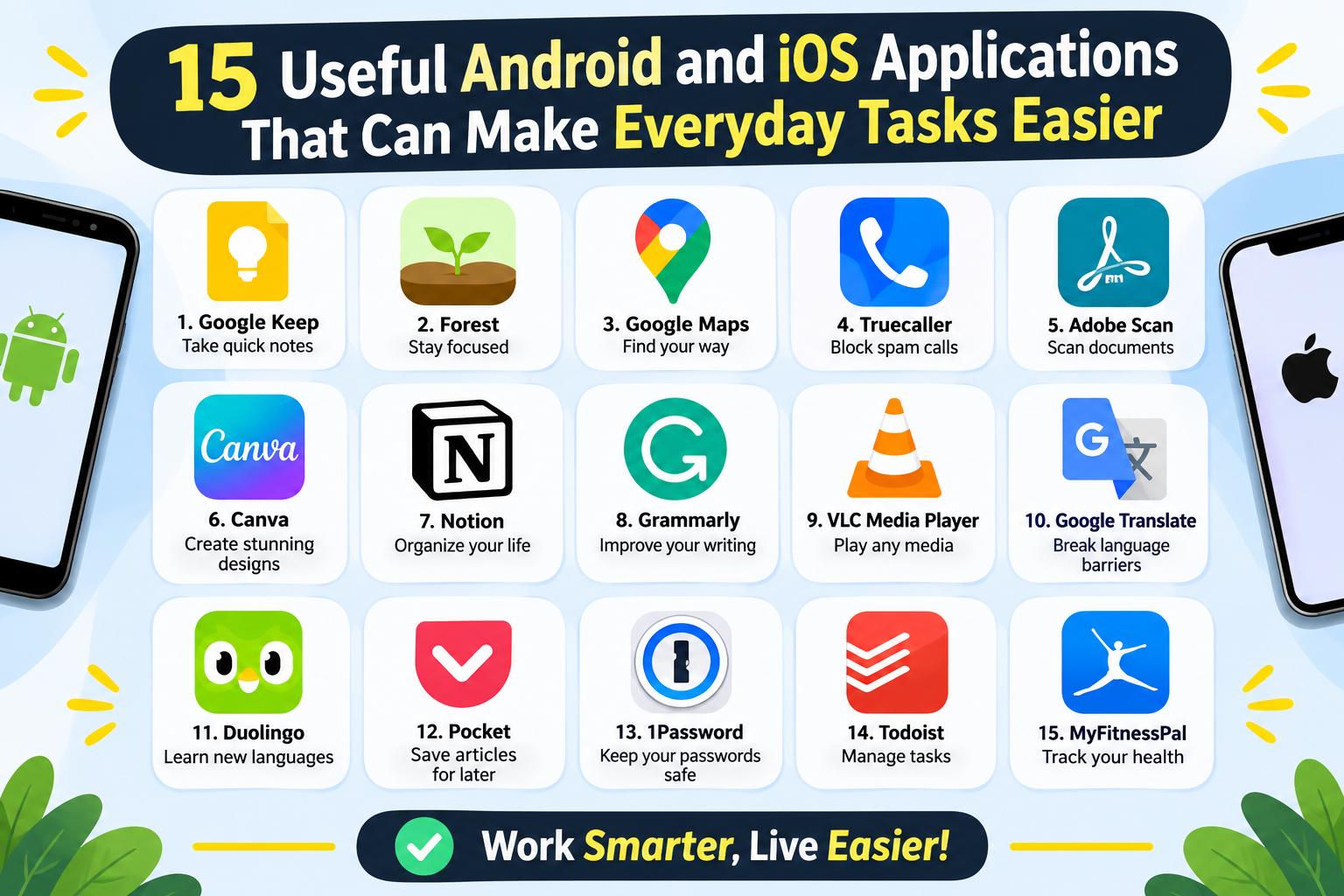
- 15 Useful Android and iOS Applications That Can Make Everyday Tasks Easier
-
 Health - 11:01:50pm 15-11-2026
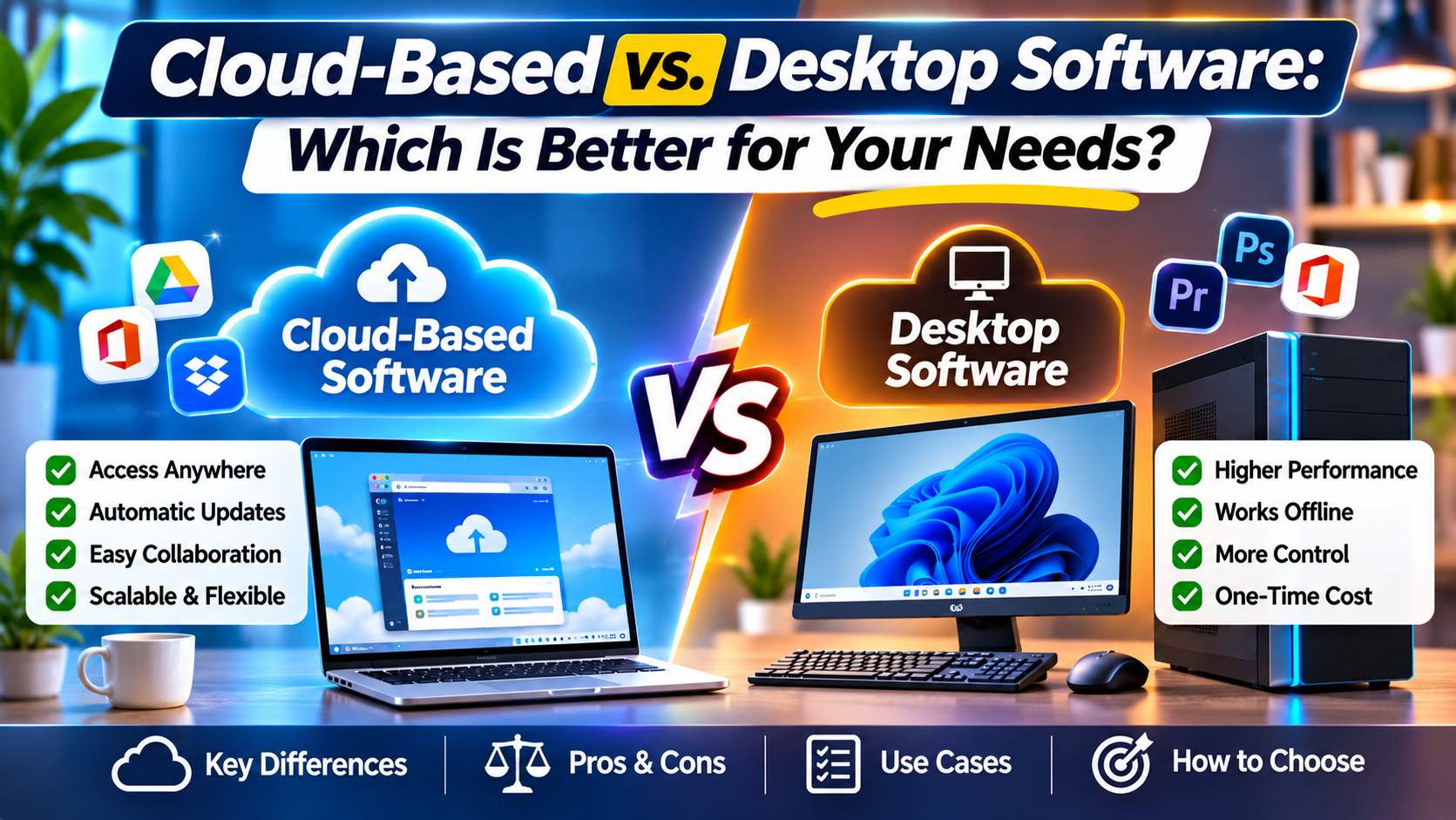
- Cloud-Based vs. Desktop Software: Which Is Better for Your Needs?
-
Health - 10:58:07pm 15-11-2026
-
 Blog
What Is the Best Cheap Car Insurance for Young Drivers
-
 Blog
Best Car Insurance for Electric Vehicles (EVs): Complete Guide for 2026
-
 Blog
Long Term Car Rental Discounts: The Complete Guide to Saving Big on Extended Rentals
-
 Blog
Health Insurance Exclusions: What to Check Before You Buy
-
 Blog
Health Insurance Waiting Period: What You Should Know Before Buying a Policy